
Dr. Smitha Karunakaran
Visiting Senior Scientist

Biosketch
Smitha Karunakaran, Ph.D., is a Visiting Senior Scientist at the Centre for Brain Research, Indian Institute of Science. She is a neurobiologist whose research focuses on the early stages of Alzheimer’s disease, with particular emphasis on the locus coeruleus, hippocampus, astrocyte biology, and sex-specific vulnerability. Her laboratory investigates the sequence of cell-type-specific changes that emerge during early amyloid pathology and distinguishes these disease-associated alterations from those that occur during normal brain aging. This work aims to identify early mechanisms that contribute to the preclinical phase of Alzheimer’s disease, before overt neurodegeneration and dementia become apparent.
Smitha completed her Ph.D. at the National Brain Research Centre, Gurgaon, India, where she studied molecular mechanisms underlying selective neuronal vulnerability in Parkinson’s disease. From 2010 to 2015, she was a postdoctoral fellow at the Friedrich Miescher Institute for Biomedical Research, Basel, Switzerland, where her work focused on neural circuit mechanisms involved in long-term memory consolidation. In September 2017, she joined the Centre for Brain Research at the Indian Institute of Science as a faculty member.
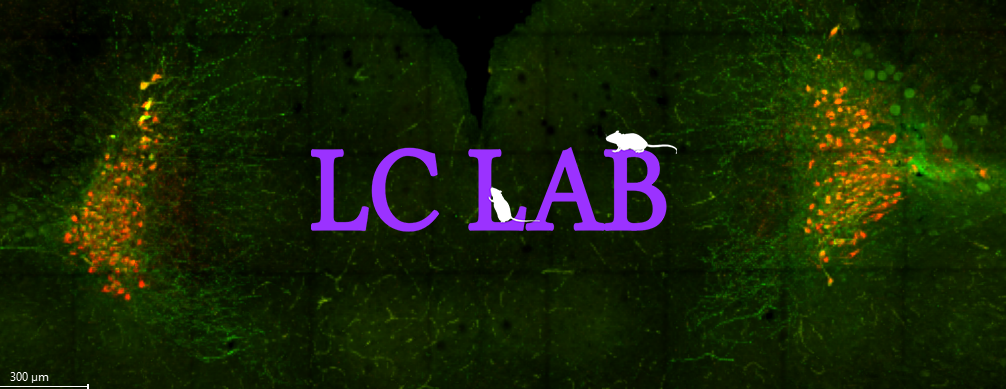
The Karunakaran Lab studies how the locus coeruleus–noradrenergic system contributes to early brain vulnerability and resilience in Alzheimer’s disease. Alzheimer’s disease begins decades before clinical symptoms emerge, and the locus coeruleus is among the earliest brainstem regions affected by tau pathology. Yet, it remains unclear why LC neurons and LC-linked circuits are vulnerable so early, how these changes influence memory circuits, and how the brain adapts before overt neurodegeneration.
Our work focuses on the organization and function of the locus coeruleus in a sex-specific manner, with particular emphasis on early Alzheimer’s disease mechanisms. We investigate how LC neuronal architecture, catecholaminergic identity, astrocyte plasticity, and LC–hippocampal circuit function are altered during preclinical stages of disease.
Research themes
The precise architectural arrangement of neurons, which supports accurate neuronal wiring, is crucial for the proper function of neuronal circuits. Our research focuses on understanding the organization and function of the LC in a sex-specific manner, and how this changes during the early stages of AD. Specifically, we aim to investigate how the LC circuit involved in hippocampus-dependent learning is organized and functions in the early phases of AD.
Impact of LC on astrocyte plasticity and function
The locus coeruleus is a small but highly influential noradrenergic nucleus that regulates arousal, attention, stress responses, and memory. We study how LC neurons are organized along rostrocaudal and dorsoventral axes, how this organization differs between males and females, and how it is altered during early amyloid pathology. A major goal is to understand whether early disease states disrupt LC neuronal identity, projection-defined compartments, or the spatial organization of catecholaminergic neurons before frank neuronal loss occurs.
The LC provides noradrenergic input to the hippocampus, a key region for learning and memory. Our lab investigates how LC–hippocampal circuits support hippocampus-dependent memory and how these circuits are altered in early Alzheimer’s disease. We are particularly interested in how dorsal LC projections to hippocampal subregions influence memory encoding, consolidation, and vulnerability to interference.
Astrocytes are dynamic regulators of synapses, neuromodulatory signaling, and metabolic support. Our research examines how early LC dysfunction influences astrocyte structure and function, especially in relation to β-adrenergic signaling, astrocyte–synapse interactions, complement-associated remodeling, lactate metabolism, and memory-related plasticity. We aim to understand whether astrocytic states represent early maladaptive pathology, compensatory resilience, or both, depending on sex, brain region, and disease stage.
To address these questions, we combine amyloidogenic mouse models, viral circuit tracing, chemogenetic manipulation, behavioral analysis, quantitative immunohistochemistry, 3D astrocyte reconstruction, spatial image analysis, biochemical assays, gene-expression profiling, and human neuromelanin-sensitive MRI collaborations. This multi-level approach allows us to connect molecular and cellular changes in the LC–hippocampal axis with circuit function and behavior.
Collaborators
Prof. Senthil S Kumaran, AIIMS, New Delhi, India.
Dr. Giriraj Sahu, IISc, Bangalore, India.
Dr. Arnab Barik, IISc, Bangalore, India.
Present lab members

Srishti Kushwaha
Ph.D. Student
About- Srishti has completed her M.Sc. in Zoology from Department of Zoology, Institute of Science, Banaras Hindu University, Varanasi. She has qualified CSIR-NET-JRF and GATE-XL. She is currently a CSIR-SRF at CBR.
Research Interest: Sex-specific differences in the locus coeruleus-hippocampus crosstalk in prodromal AD
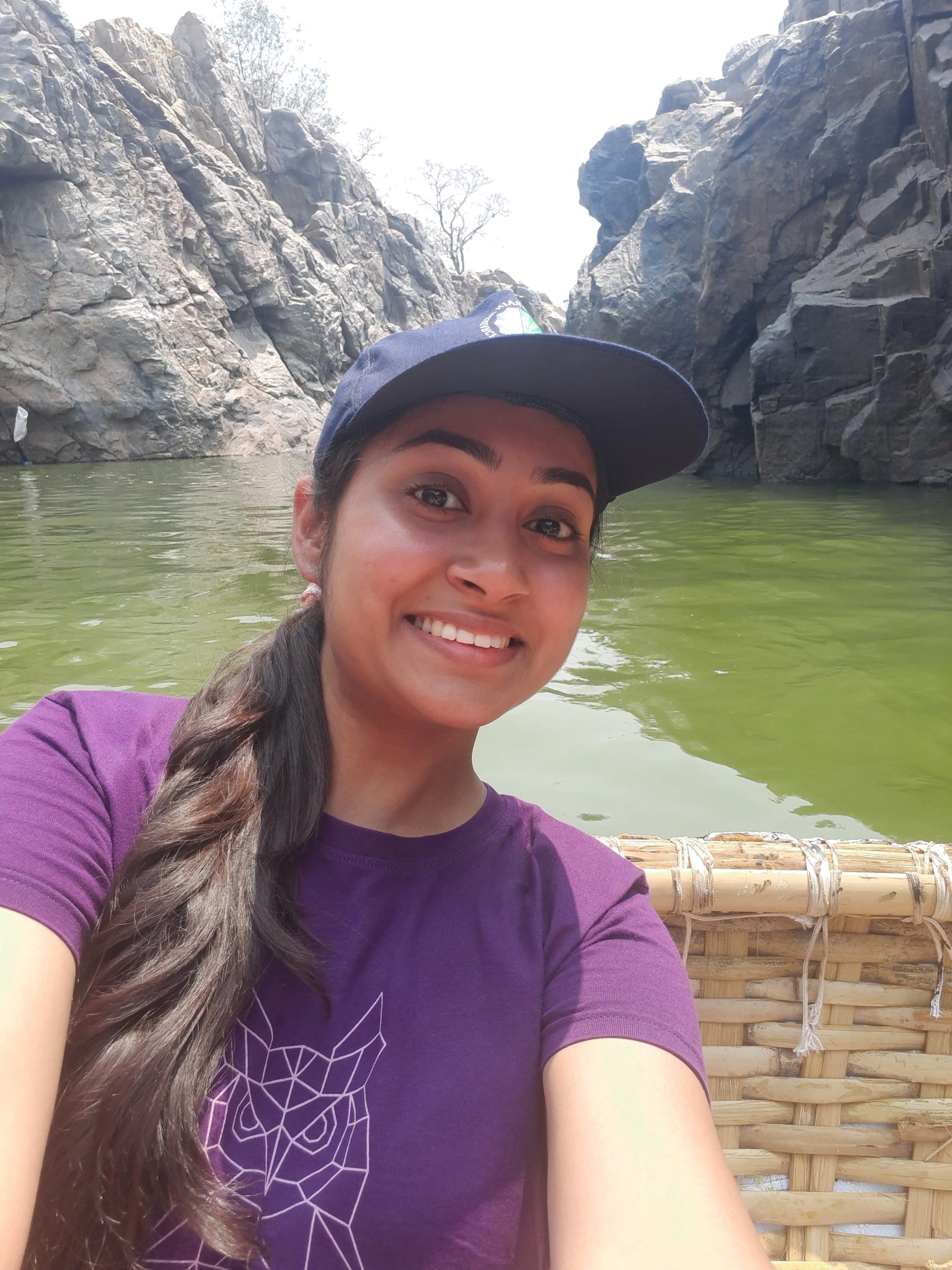
Rupsa Roy Choudhury
Ph.D. Student
About- Rupsa has completed her M.Sc. (Integrated) in Biotechnology from Department of Biotechnology, St. Xavier’s College, Kolkata. She has qualified CSIR-NET-JRF, ICMR-JRF and GATE-BT. She is currently a CSIR-SRF at CBR.
Research Interest: The role of astrocyte structural plasticity in regulating neural circuit function in prodromal AD
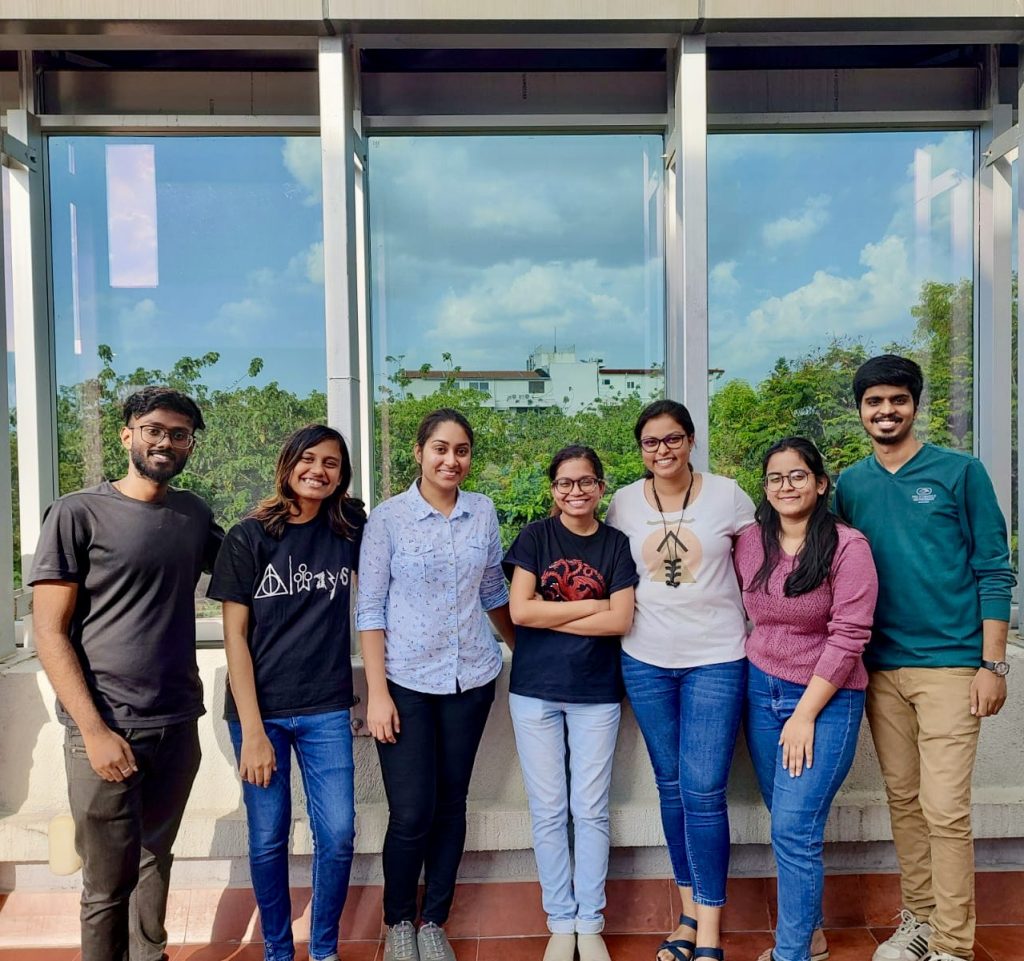
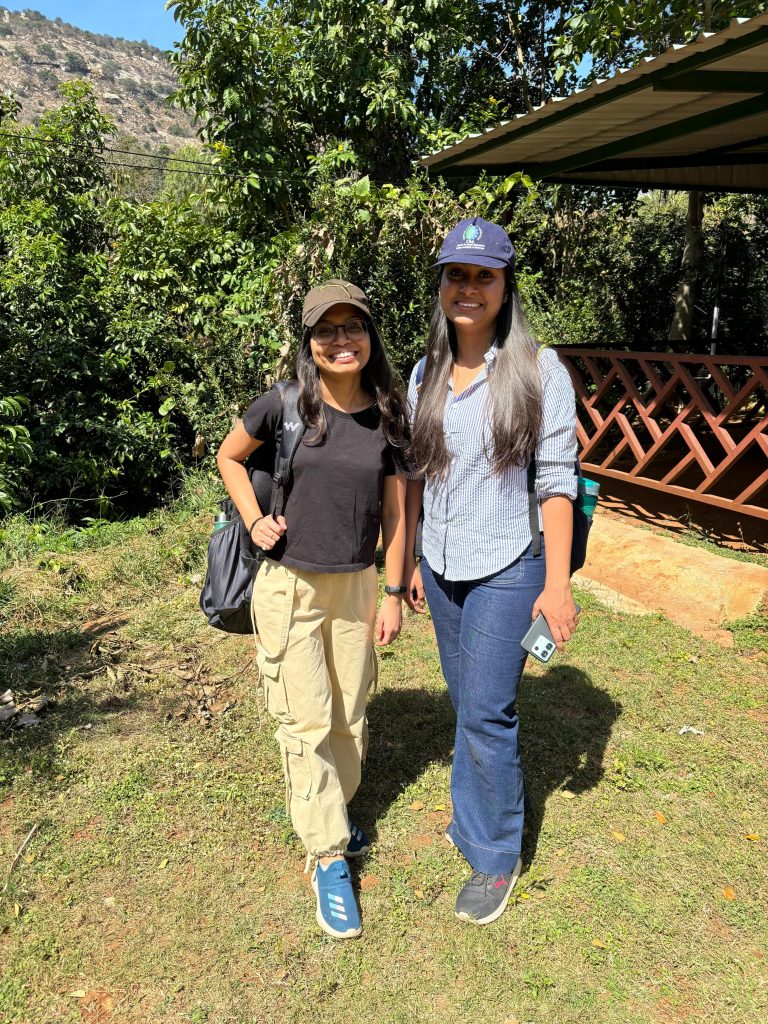
Lab Pictures
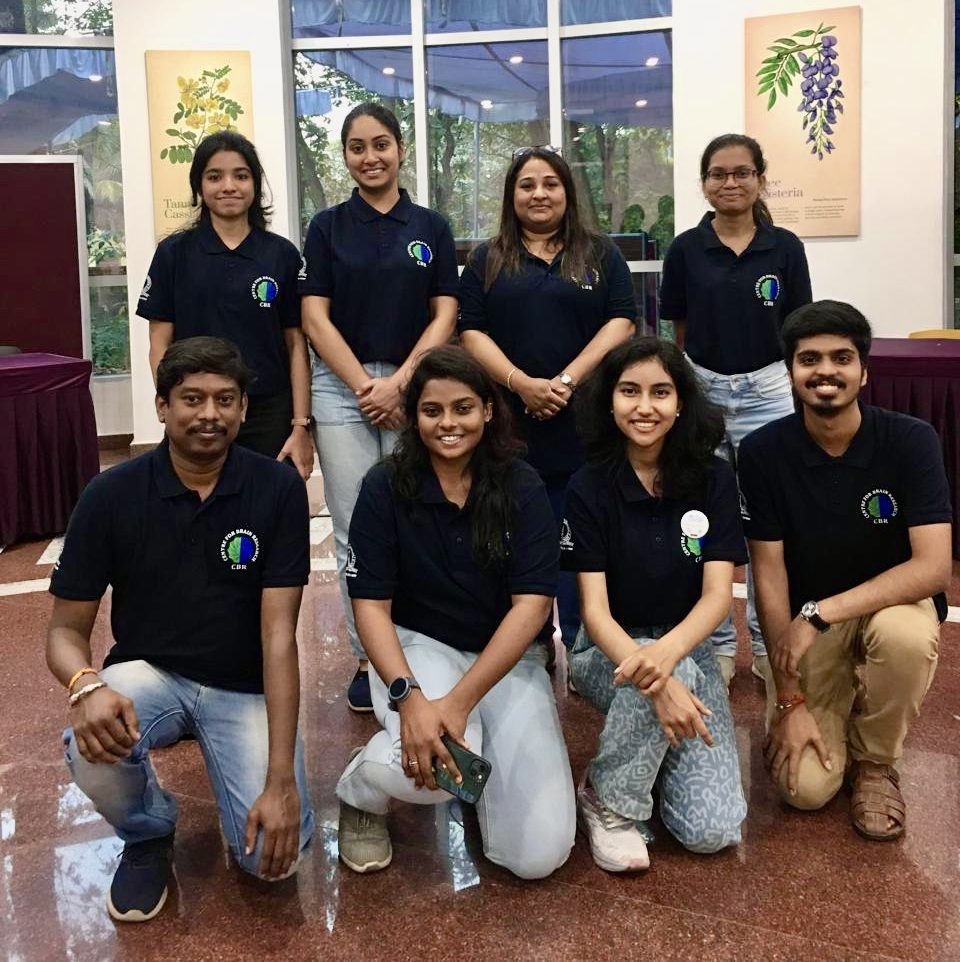
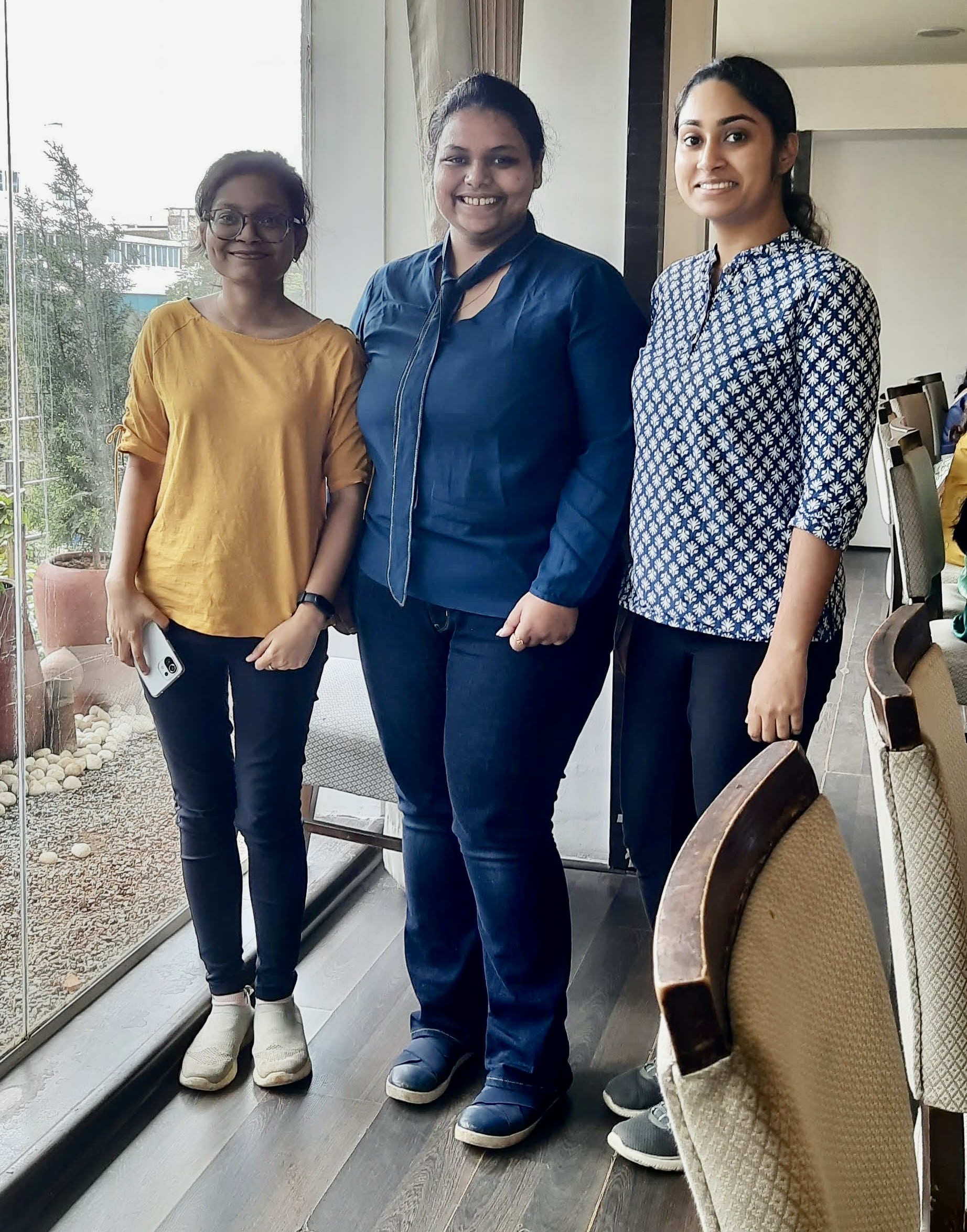
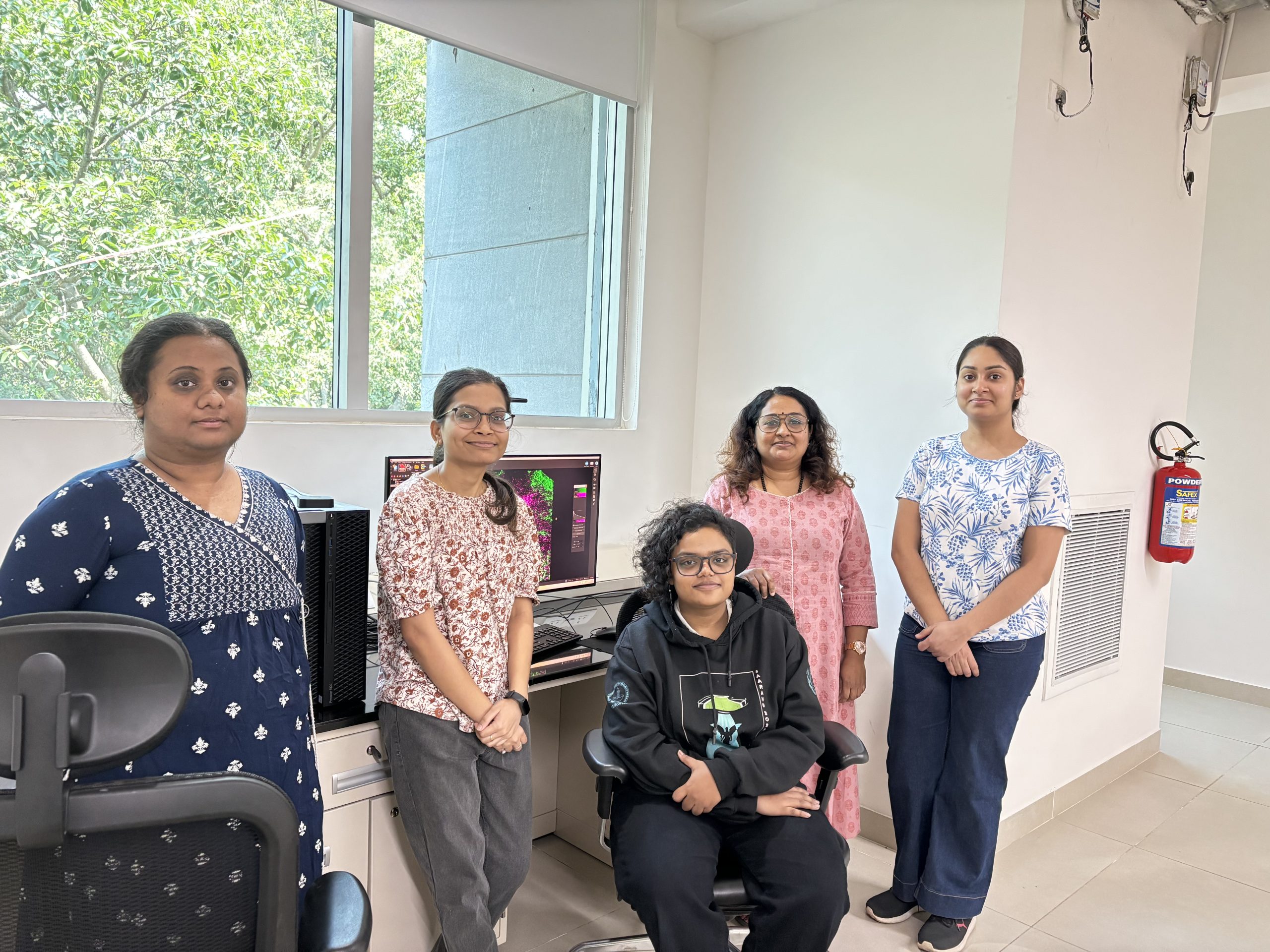
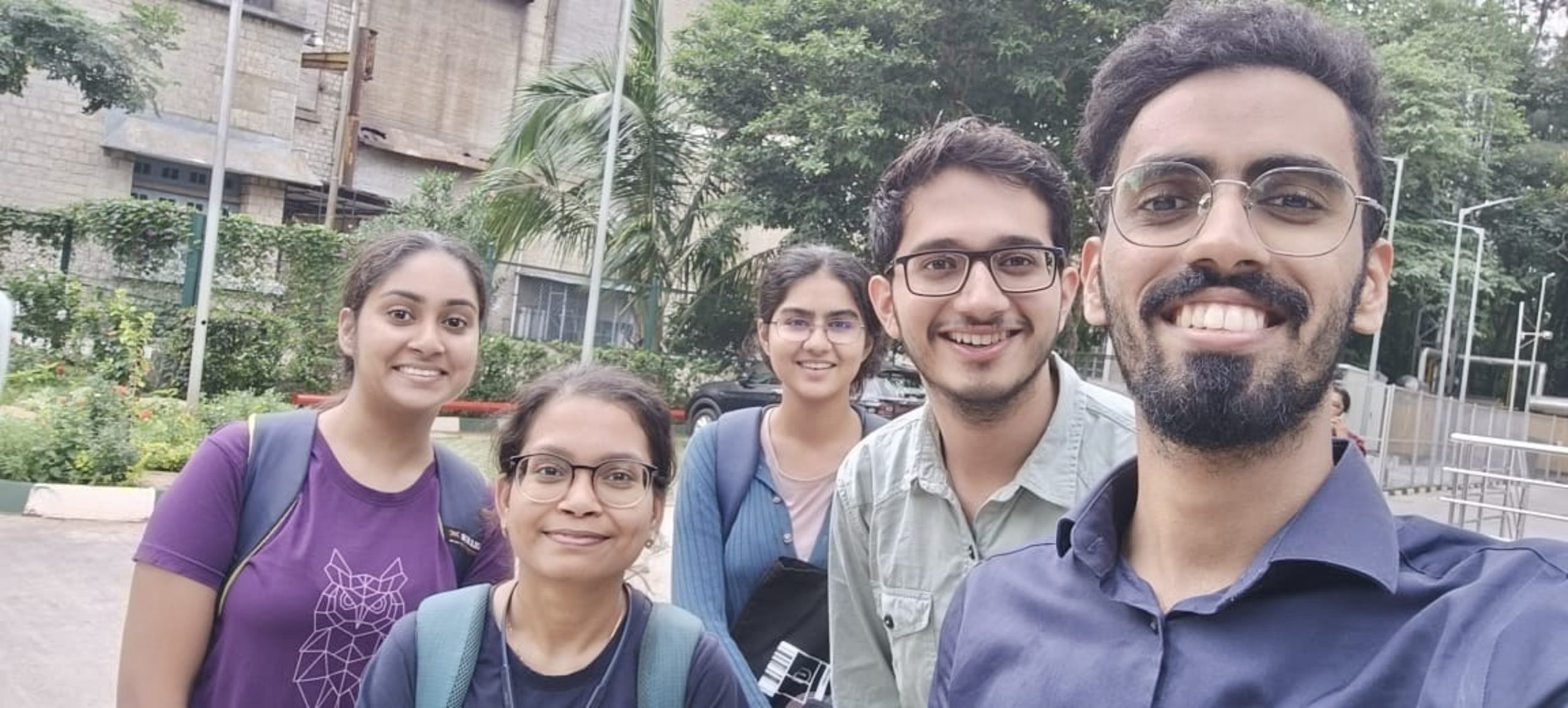

Lab Alumni
MASTER’S THESIS STUDENTS
- Deepannita Majumdar (St. Xaviers, Mumbai) – Nov 2023-Mar 2024
- Akshaya G (Anna University, Chennai) – Jan-May 2024
- Sharmatha R (Anna University, Chennai) – Jan-May 2024
- Shinjini Chatterjee (IISc, Bangalore) – May 2024-25
- Bhumika Mitra (VIT, Vellore) – Jan-Jun 2025
UNDERGRADUATE THESIS STUDENTS
- Jyotirmoy Biswal (IISc, Bangalore) – May 2023-24
IISc- MBBS/MPH INTERNS
- Omer Mohammed, Govt. Medical College, Kozhikode – Jun-Jul 2024
- Medhansh Kapoor, VMMC & Safdarjung Hospital, New Delhi – Jun-Jul 2024
UNDERGRADUATE INTERNS
- Shanice Jessica Hermon (INSPIRE scholar), NISER Bhubaneshwar – May-Jul 2019
- Akankshya Nayak (INSPIRE scholar), NISER Bhubaneshwar – May-Jul 2022
- Abhiram Sreekumar (INSPIRE scholar), NISER Bhubaneshwar – May-Jul 2023
- Saina Rath (INSPIRE scholar), NISER Bhubaneshwar – May-Jul 2023
- Anjali (INSPIRE scholar), IISER Mohali – May-Jul 2023
- Uyyashrinila P (INSPIRE scholar), IISER Pune – May-Jul 2023
- Jyotirmoy Biswal (CBRAIN scholar), IISc Bangalore – May-Jul 2023
- Gauri Srinath, IIT Gandhinagar – May-Jul 2023
- Rhea Sabharwal (INSPIRE scholar), St. Stephen’s College, Delhi – Jun-Aug 2024
- Preeti K, Yuvaraja’s College, Mysore – Aug-Nov 2024
PROJECT ASSISTANTS
- Ruby Gupta, Central University of Jharkhand – 2018-19
- Ruchika Agarwal, MS University, Baroda – 2019-20
- Abhijit Shankaran, School of Lifesciences, MAHE – 2020-21
Lab Updates
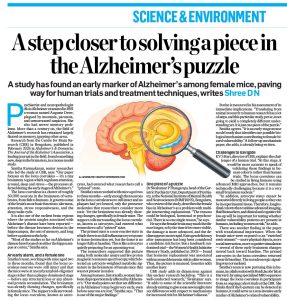
2) In the media: Research from the Karunakaran Lab on early locus coeruleus vulnerability in Alzheimer’s disease was featured in Deccan Herald under the title “A step closer to solving a piece in the Alzheimer’s puzzle.”
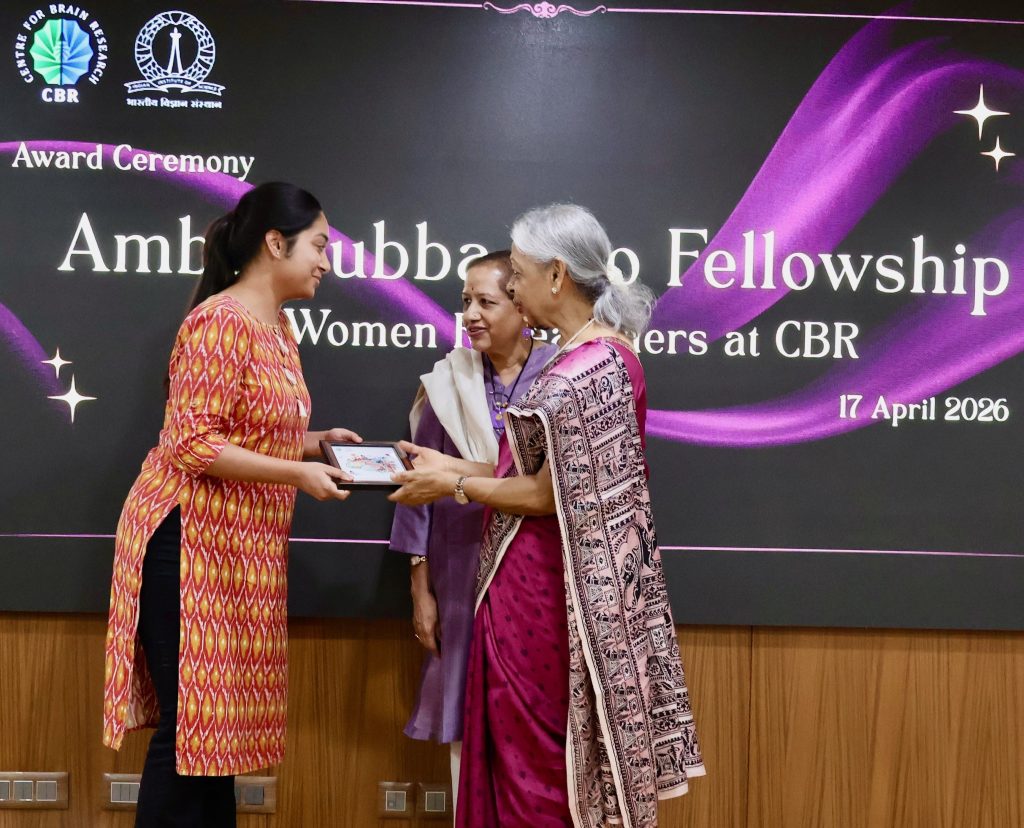
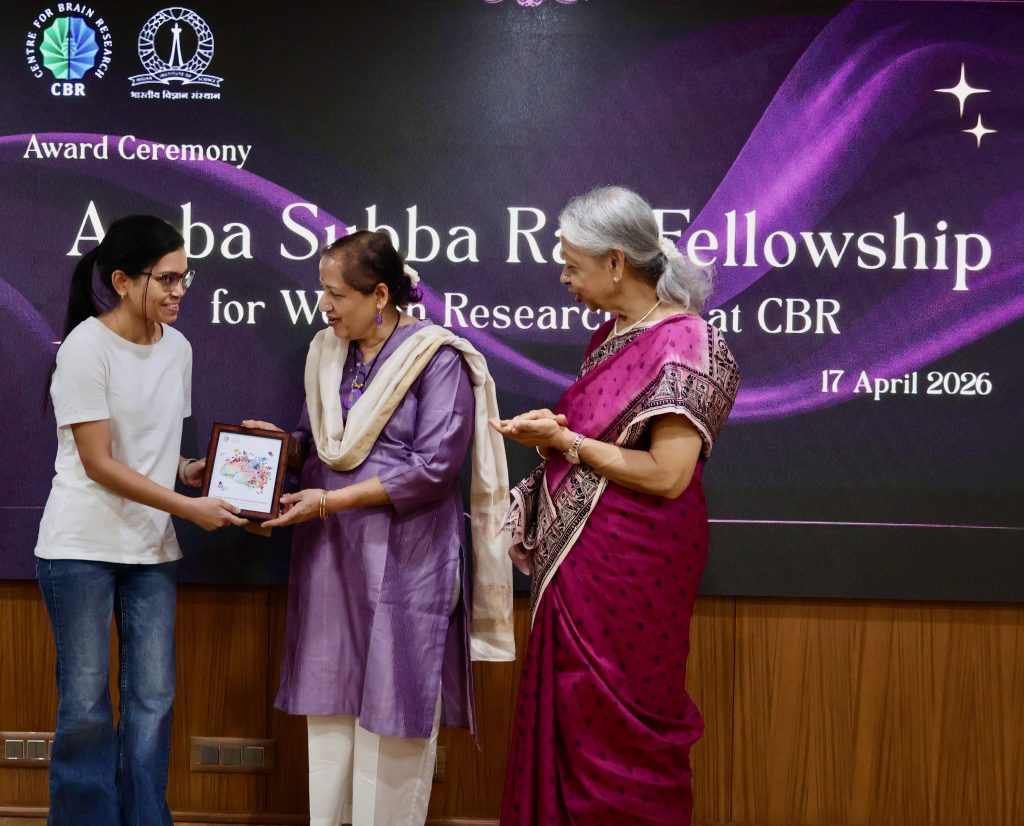
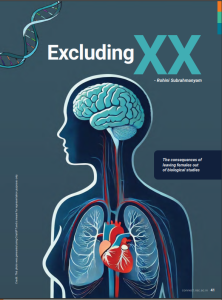
5) Research from Dr. Karunakaran’s Lab featured in the IISc Connect magazine.
6) Srishti Kushwaha’s abstract has been accepted, and she has been awarded a student travel grant to attend the 2025 International Society for Magnetic Resonance in Medicine (ISMRM) Annual Meeting, taking place in Hawaii, USA, from May 10th to 15th, 2025.
7) Dr. Karunakaran gave a talk at the LC Meeting 2024, which took place in Innsbruck, Austria, from September 9-11th, 2024.
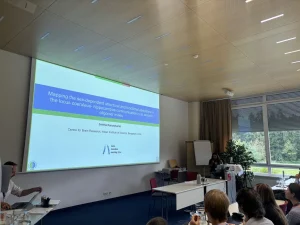
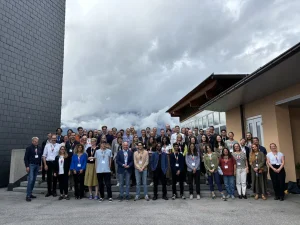
8) Dr. Karunakaran lab’s abstract was selected for a 5-minute blitz talk for the neuromodulatory subcortical system PIA day pre conference session at the Alzheimer’s Association International Conference (AAIC) in Philadelphia, USA, on July 27th, 2024.
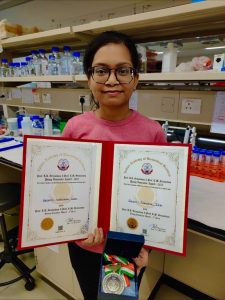
9) Srishti Kushwaha bagged the Prof. K.K Srivastava – Prof. L.M Srivastava Young Innovator Award at the 11th IABSCON-2023 for poster presentation organized by the department of neurophysiology, National Institute of Mental Health and Neuro Sciences, Bangalore.
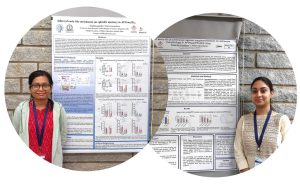
10) Srishti Kushwaha and Rupsa Roy Choudhury presented their work at the EMBO Workshop – Molecular and physiological basis of behavioural/cognitive defects in Neurodevelopmental disorders. 31 October – 03 November 2022 | Bengaluru, India
Publications from the lab
Roy Choudhury R, Kushwaha S, Karunakaran S.
Prolonged β-Adrenergic Stimulation Reduces β2-Adrenergic Receptor Levels and Limits Astrocytic Responsiveness during Early Amyloid Pathology.
Neuroscience Letters (2026). doi: 10.1016/j.neulet.2026.138618.
Kushwaha S, Karunakaran S.
Early Dorsal Hippocampal Catecholaminergic Vulnerability Is Associated with Sex-Specific Susceptibility to Proactive Interference in APP/PS1 Mice.
Behavioral Brain Research (2026). doi: 10.1016/j.bbr.2026.116208.
Kushwaha S*, Roy Choudhury R*, Bhat P, Kumaran SS, Karunakaran S.
Female-biased astrocytic priming shapes early locus coeruleus vulnerability in an Aβ oligomer milieu.
Alzheimer’s & Dementia (2026). doi: 10.1002/alz.71168.
(*Co–first authors)
Karunakaran S.
Early β-adrenoceptor dependent time window for fear memory persistence in APPswe/PS1dE9 mice.
Scientific Reports (2021). doi: 10.1038/s41598-020-79487-5.
Karunakaran S.
Unraveling Early Signs of Navigational Impairment in APPswe/PS1dE9 Mice Using Morris Water Maze.
Frontiers in Neuroscience (2020). doi: 10.3389/fnins.2020.568200.
Other Publications
Ravindranath V; SANSCOG Study Team. Srinivaspura Aging, Neuro Senescence and COGnition (SANSCOG) study: Study protocol.
Alzheimer’s & Dementia (2023). doi: 10.1002/alz.12722.
(SANSCOG Study Team; role: contributing member)
Kommaddi RP, Verma A, Muniz-Terrera G, Tiwari V, Chithanathan K, Diwakar L, Gowaikar R, Karunakaran S, Malo PK, Graff-Radford NR, Day GS, Laske C, Vöglein J, Nübling G, Ikeuchi T, Kasuga K; Dominantly Inherited Alzheimer Network (DIAN); Ravindranath V. Sex difference in evolution of cognitive decline: studies on mouse model and the Dominantly Inherited Alzheimer Network cohort. Translational Psychiatry (2023). doi: 10.1038/s41398-023-02411-8.
Sundarakumar JS, Shahul Hameed SK; SANSCOG Study Team; Ravindranath V. Burden of Vitamin D, Vitamin B12 and Folic Acid Deficiencies in an Aging, Rural Indian Community.
Frontiers in Public Health (2021). doi: 10.3389/fpubh.2021.707036.
(SANSCOG Study Team; role: contributing member)
Kommaddi RP, Tomar DS, Karunakaran S, Bapat D, Nanguneri S, Ray A, Schneider BL, Nair D, Ravindranath V. Glutaredoxin1 Diminishes Amyloid Beta-Mediated Oxidation of F-Actin and Reverses Cognitive Deficits in an Alzheimer’s Disease Mouse Model.
Antioxidants & Redox Signaling (2019). doi: 10.1089/ars.2019.7754.
Barodia SK, Prabhakaran K, Karunakaran S, Mishra V, Tapias V. Editorial: Mitochondria and Endoplasmic Reticulum Dysfunction in Parkinson’s Disease. Frontiers in Neuroscience (2019). doi: 10.3389/fnins.2019.01171.
Kommaddi RP, Das D, Karunakaran S, Nanguneri S, Bapat D, Ray A, Shaw E, Bennett DA, Nair D, Ravindranath V. Aβ mediates F-actin disassembly in dendritic spines leading to cognitive deficits in Alzheimer’s disease.
The Journal of Neuroscience (2018). doi: 10.1523/JNEUROSCI.2127-17.2017.
Karunakaran S, Chowdhury A, Donato F, Quairiaux C, Michel CM, Caroni P.
PV plasticity sustained through D1/5 dopamine signaling required for long-term memory consolidation.
Nature Neuroscience (2016). doi: 10.1038/nn.4231.
Ray A, Sehgal N, Karunakaran S, Rangarajan G, Ravindranath V. MPTP activates ASK1-p38 MAPK signaling pathway through TNF-dependent Trx1 oxidation in parkinsonism mouse model.
Free Radical Biology and Medicine (2015). doi:10.1016/j.freeradbiomed.2015.06.041.
Karunakaran S, Ravindranath V.
Activation of p38 MAPK in the substantia nigra leads to nuclear translocation of NF-kappaB in MPTP-treated mice: implication in Parkinson’s disease.
Journal of Neurochemistry (2009). doi: 10.1111/j.1471-4159.2009.06112.x.
Saeed U, Karunakaran S, Meka DP, Koumar RC, Ramakrishnan S, Joshi SD, Nidadavolu P, Ravindranath V. Redox activated MAP kinase death signaling cascade initiated by ASK1 is not activated in female mice following MPTP: novel mechanism of neuroprotection.
Neurotoxicity Research (2009). doi: 10.1007/s12640-009-9058-5
Karunakaran S, Saeed U, Mishra M, Valli RK, Joshi SD, Meka DP, Seth P, Ravindranath V.
Selective activation of p38 mitogen-activated protein kinase in dopaminergic neurons of substantia nigra leads to nuclear translocation of p53 in 1-methyl-4-phenyl-1,2,3,6-tetrahydropyridine-treated mice.
Journal of Neuroscience (2008). doi: 10.1523/JNEUROSCI.4511-08.2008.
Karunakaran S, Saeed U, Ramakrishnan S, Koumar RC, Ravindranath V. Constitutive expression and functional characterization of mitochondrial glutaredoxin (Grx2) in mouse and human brain.
Brain Research (2007). doi: 10.1016/j.brainres.2007.09.019.
Karunakaran S, Diwakar L, Saeed U, Agarwal V, Ramakrishnan S, Iyengar S, Ravindranath V.
Activation of apoptosis signal regulating kinase 1 (ASK1) and translocation of death-associated protein, Daxx, in substantia nigra pars compacta in a mouse model of Parkinson’s disease: protection by alpha-lipoic acid.
FASEB Journal (2007). doi: 10.1096/fj.06-7580com.
-
Centre for Brain Research
Indian Institute of Science Campus
CV Raman Avenue
Bangalore 560012, India. - +91 80 2293 3735
